Welcome to my A Level media blog - I will be sharing my work throughout the course as well as my thoughts. I hope you enjoy looking through my work, thank you for visiting!
Regulations for TV advertising (particularly BCAP, the Broadcast Committee of Advertising Practice) ensure the public is not taken advantage of or exposed to particularly distressing things. Clearcast, a non-governmental organisation that pre-approves or denies advertisements, will check TV adverts against the BCAP codes to determine what can be shown to the public. We see different series advertised to us everywhere we go, and certainly on TV. From the ASA website, the codes that relate particularly to TV series are listed under BCAP.
💫TV ADVERTISEMENT💫
Regulations for TV advertising (particularly BCAP, the Broadcast Committee of Advertising Practice) ensure the public is not taken advantage of or exposed to particularly distressing things. Clearcast, a non-governmental organisation that pre-approves or denies advertisements, will check TV adverts against the BCAP codes to determine what can be shown to the public.
Ofcom are the regulations board for advertisement in the UK, enforcing codes for broadcast. Required under the 2003 Communications Act, they ensure nothing harmful is broadcast to the public.
💫TV SERIES💫
We see different series advertised to us everywhere we go, and certainly on TV. On the ASA website, the rules for TV advertisement still apply.
In media, codes and conventions tell us how products conform to or deviate from the standards we have using genre as a touchstone. Codes are the signs we see that create meaning, both technical (how equipment and technique is used to create meaning) and symbolic (implicit meanings, like interpreting a character's actions to work out how they feel). Conventions are what we get when certain codes are used again and again in different works - that's how we split things into genres.
MYSTERY GENRE CONVENTIONS 👻
MURDER
PUZZLES
RED HERRINGS
CLUES
A DETECTIVE
COMEDY GENRE CONVENTIONS 💀
RELATABLE CHARACTERS
STRANGE SITUATIONS
JOKES
SIMPLE PLOTLINES (NOT ALWAYS)
SYMBOLIC CODES
IMPLICIT MEANINGS
The trailer for 'Croak' utilises nature because the setting for the show is very green. I wanted to convey a place viewers would genuinely like to live, an idealised town in autumn. This is partially due to the secret about witches inhabiting the town, but also because of the cosy mystery feeling I was going for. Nature is often associated with witches and I thought that an overgrown town bursting with plant life would work well to that effect. Fen's apartment is also covered in plants, cementing her within the setting whilst also seeming different, because her plants are all perennials and can survive autumn without much attention. This also alludes to Fen's closed-off nature, able to live without anyone else because she's so obsessed with her stories. Cosy mystery is a subgenre within the umbrella of mystery, however I'm aware that mystery is often set in less comfortable areas. The cosy mystery feeling is set though, and I think that comes through in the juxtaposition (in the trailer) between nature and the dead body.
The trailer also presents our audience immediately with the theme of death. Whilst shocking, it suits the genre of mystery. I think it could also suit the genre of comedy - often comedy trailers will be punchy and flash potentially shocking imagery onscreen to garner attention. This isn't always the case, but it joins the two genres together.
These cosy mysteries also tend to use bright colour schemes, a far cry from the darker themes we might expect from the mystery genre. Cosy mystery often blends comedy into the mix, which is why I think Croak would fit in without seeming too similar - the non-episodic mystery is the difference.
TECHNICAL CODES
EQUIPMENT AND TECHNIQUE
I've used a lack of dialogue (somewhat reminiscent of silent films) and instead used music in my trailer. This subverts both of my genres - trailers without speaking are very rare nowadays because scripts are so essential to so many big-budget series and films. I think this subversion creates intrigue and sets up odd expectations for an odd show, meaning people will go into it not knowing what to expect. This is ideal for Croak and, I think, quite a good hook to get people interested in the show.
I've also slowed down some of the footage, just incrementally. It gives the trailer a slight discordant feeling that I think really fits the oddity of the show. More prominent slow motion is often used in television, but I think the subtlety in my clips is what subverts genres here.
My trailer uses a short montage of clips, something we see often in trailers for TV shows - the purpose of this is to show off as many things as possible that happen, teasing without giving anything away. It's a teaser, not introducing anything so much as suggesting characters and plotlines. However, teaser trailers tend to be longer and some include more dissolve transitions than quick cuts (see below).
My trailer follows a very simple sequence of events, starting wide and uninvolved and then (metaphorocally) zooming in on the action. The trailer above follows a simplified version of the show's plotline, highlighting lines of dialogue that are meant to clue the viewer in on the plot and character elements. In comparison, my trailer is quiet and strange - I think this works for the intrigue angle. People aren't used to trailers without a voiceover or dialogue.
The music I used fits the comedy element of Croak, giving it a fast and jaunty pace that juxtaposes with the subject matter nicely. Again, this creates intrigue and gets people interested in the strange concept. The lack of dialogue over the music is, again, strange and subverts the conventions of a trailer.
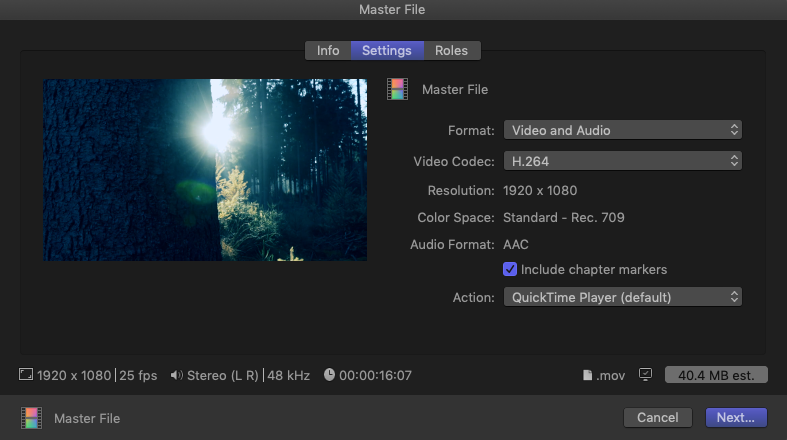
My trailer was 1920 x 1080 with 48kHz audio, ensuring the best picture and sound combination for the final export. This is industry standard for trailers and fits the conventions.
WRITTEN CODES
The language used to promote Croak is mostly in the visible text displayed onscreen. To fit with the branding, it's minimal and mostly used for promotion. The #croakshow is important because it allows discussion of this strange new thing and social media promotion can be uploaded to the tag.
The other version I tried (see below) included a wall but I wasn't very happy with the outcome (it mixed reality and the cartoony wall in an unappealing way) so I stuck with the yellow poster.
PRINT
I made the poster in illustrator.
To create the texture on yellow, I used an image of static on an overlay layer, on top of the yellow background.
SOCIAL MEDIA
1. VIDEO
Social media content can include videos and I've repurposed my TV advert to be posted on social media with the correct aspect ratio.
I've had to change some things from my original storyboard (see above) to work under current restraints. The Coronavirus epidemic and subsequent measures have restricted the creation process of anything that requires filming. To simplify my idea, I've reduced the amount of filmed segments. This should result in an easier process and a shorter teaser.
FILMING & EDITING
In order to produce a TV advert, I had to make the most of a few shots. My filming process was split in two to ensure I got the best of my idea - one shoot (pictured to the left) was in front of a large wall wherein I filmed my teacher on the floor. Unfortunately, that time, the camera was faulty and didn't record anything of use - annoying, but I got a second try the next day.
This time, I sat against a wall to act as the body whilst a peer stood just in front of the camera. This meant I was not showing anyone's face but could include people in my trailer. I used automatic ISO on the camera so it would adjust to natural light without me making any mistakes on manual, due to our time constraints. I used a warm white-balance because we were shooting on a cloudy day, knowing that later I could tint the film a cooler tone if I needed to.
I ended up with some short clips of two potential shots - the body and the hand from my storyboard. I had to cut down the number of shots I used (removing the notebook and clues) to simplify my idea and make it easier to put together. To establish setting a bit more, I found some royalty free clips on pexels.com and cut the whole thing to the music (mostly). The intended effect was a quirky, disjointed, inviting trailer that intrigues the viewer and sets the strange tone. The music I chose fits the tone well and grabs attention. All limitations considered, I'm happy with the end product. I exported the trailer as a master file when I'd finished editing it all together using a combination of my own clips and assets from copyright-free sources online.
During the process, I used the BBC3 logo that I found online. I also picked up the music I used from a copyright-free website, eliminating the royalties I would have to pay otherwise. I used the older version of the logo but kept it consistent throughout my campaign.
Instead of having my logo pop up all at once, I decided to have each letter pop up in time with the music. I snipped up the overlaid text and set them on a delay (pictured to the left) so the effect would work.
At the end of the video, I used the hashtag #croakshow. This links the trailer to the other branding and the house style, in a bold sans-serif font.
The final export was a master file of a codec H.264, formatted to include both video and audio to fit within video conventions and the resolution was 1920 x 1080. This way, the export wouldn't lose quality across platforms.
THE FINAL EDIT
LEGAL AND ETHICAL
Regulations for TV advertising (particularly BCAP, the Broadcast Committee of Advertising Practice) ensure the public is not taken advantage of or exposed to particularly distressing things. Clearcast, a non-governmental organisation that pre-approves or denies advertisements, will check TV adverts against the BCAP codes to determine what can be shown to the public.
We see different series advertised to us everywhere we go, and certainly on TV. From the ASA website, the codes that relate particularly to TV series are listed under BCAP.
💫TV ADVERTISEMENT💫
Regulations for TV advertising (particularly BCAP, the Broadcast Committee of Advertising Practice) ensure the public is not taken advantage of or exposed to particularly distressing things. Clearcast, a non-governmental organisation that pre-approves or denies advertisements, will check TV adverts against the BCAP codes to determine what can be shown to the public.
According to Stacey McLachlan at blog.hootsuite.com, "of course you want to rack up your followers, but ultimately, the greatest measure of social media success is an engaged audience, not just a big one." I love this sentiment because, in the world of advertising, I believe it's much more valuable to keep a niche audience truly engaged than to grab temporary attention from a larger group. To engage someone is to create a fan, and when you're marketing a TV show you're going to want fans. Indeed, she goes on to say that, "as a business, it’s quality, not just quantity, that you should be striving for."
So, with this in mind, how do I engage people on social media? When marketing Croak, I think I would benefit from finding a niche in the market for TV dramas - something like 'oddball murder mystery'. To measure engagement on social media, there are a few metrics to consider:
Shares or retweets
Comments
Likes
Followers and audience growth
Click-throughs
Mentions (either tagged or untagged)
Using branded hashtags
As an example, the new Xbox Series X used the hashtag #poweryourmemes
STRANGER THINGS PROMOTIONS
These experiences are entirely unique to “Stranger Things” and ensure that the show remains top of mind with audiences both offline and online.
sprinklr.com
unusual, innovative
engage your audience!!!!!!
maintain the momentum
capitalise on the 80s vibes
attract people over to netflix - they want people to join netflix
product placement - not bbc though - make fake brands playfully real
call line
INTERACTIVE - needs to be engaging to bypass the hundreds of things we see all the time, constant stream
Q.7 - EVALUATE THE USE OF A PRODUCTION SCHEDULE FOR AN APP [18 MARKS]
3 PROS
3 CONS
project management software can organise better - can't manage a team with prod schedule, not visual or appealing
app needs visuals
contextualise
POINT - EVIDENCE/CONTEXT - EXPLAIN
A production schedule is helpful for the organisation of events leading up to a final version of the project. First of all, it will tell your team the personnel involved in each task - there's a column for crew's names, allowing you to assign certain members jobs. In addition to this, a production schedule will tell you the specific timing of each task. This makes it easier to get crew together for development or meetings. Your production schedule provides a list of the equipment needed for a task, making it much more viable to take heavy equipment on location; you're less likely to waste effort because everyone knows what to bring and when. Unfortunately, though a production schedule is helpful for organisational purposes, you'd need a Gantt chart to account for contingency time - if someone can't make a meeting, you'll have to make up for that lost work. An app will also need visual planning before scheduling to make it can happen; a Gantt chart would show this visually. It is also a lot easier to read a Gantt chart than a production schedule, making it another necessity for easy distribution and viewing by members of the crew. You'd need both to get the best use out of a production schedule. You may also benefit from project management software - it encompasses all of these scheduling tasks and also visualises tasks for easy viewing. It will also make contacting your crew more efficient so that everyone can do their jobs at the right times.
PRIMARY SOURCES
FINDING YOUR OWN DATA BY DOING RESEARCH YOURSELF
SECONDARY SOURCES
FINDING DATA FROM RESEARCH SOMEONE ELSE HAS DONE ALREADY
STUART HALL REP[RESENTATION THEORY!!!!!!!!!
planning software - microsoft project
camera
crayola crayons
ugly unformatted notes to write up later
what do you need from a client?
deadline
target audience
the task and medium
existing products/house style (logos and colours)
genre
purpose of the product or project
resources
budget
VISUALISATION DIAGRAMS FOR POSTER - BASICALLY THUMBNAILS
if i did an app i could make it with drawn characters
exam paper and insert
the insert is the brief/scenario
FORMAL/INFORMAL
LEGALLY BINDING
CONTRACTUAL - BRIEF IS OUTLINED WITHIN A CONTRACT OF EMPLOYMENT
TENDER - CLIENT PUBLISHES AN AD FOR THE WORK, PEOPLE PITCH TO THEM AND THEY PICK ONE
COMMISSIONED - THE COMPANY SPECIFICALLY ASK PEOPLE TO CREATE THE ADVERTISING, PITCH ETC.
what MUST you deliver?
what do you have creative control over?
OPEN - You have the freedom to make some decisions.
IMPLICIT - Inferred from the brief.
CONSTRAINTS - Boundaries that projects must work within (ethical, legal, time, cost etc.)
EXPLICIT - Clearly stated requirements that must be met.
This unit's brief is to create a cross-media advertising campaign to promote our TV show for BBC3. We have to include three different media types across old and new media, conforming to the individual conventions of each. The aim is to promote a new product (the show) and the site it is hosted on (BBC3). It's important to note that we have to comply with legislation set in place by the ASA, OFCOM and BCAP to avoid unnecessary offence or distinctly negative publicity. Also interesting to note is the competition streaming sites and media companies at large face from Netflix, and what can be done to compete in a productive and effective way.
THE CONTRACT
OPEN
You have the freedom to make some decisions.
media types
create the logo
the aesthetic and graphics
the mobile app and quiz
IMPLICIT
Inferred from the brief.
don't miss deadlines
has to be BBC branded
be in line with other BBC marketing and standards - do research
don't spend money on expensive celebrity endorsement
has to feature the main characters
convey the tone of the show and hint at plot points
CONSTRAINTS
Boundaries that projects must work within (ethical, legal, time, cost etc.)
£15,000
no offensive stereotypes
represent your target audience
keep to relevant legislation
EXPLICIT
Clearly stated requirements that must be met.
one piece of media has to be released after episode one
has to include an interactive content eg. an app with a quiz
cross-media
must comply with legislation
do your own research into the demographic
THE SHOW
I'll be advertising my previously pitched TV show 'Croak', created for BBC3 and their demographic of 15-21 year olds. It'll be interesting to go back with new knowledge of advertising and see the show in a new light. The original demographic I had was based on economic and ethnic background - further research would mean taking into account psychographics as well. I could, for instance, build up a consumer profile based on my idea of the average fan of 'Croak'. Market research will definitely come into play here so that I may find further data on audience pleasures and competitors and the like.
During Unit 21, I conducted some market research and a focus group from our school (part of the target age group) to inform my TV show planning. The data was a helpful resource in decision-making, for example:
In terms of legality and ethicality, I don't think there will be major problems with the promotion of 'Croak'. Guidelines set by the ASA give a very good idea of what-not-to-do and there are distinct points to consider:
HONEST
TRUTHFUL
DECENT
ACCURATE
SOCIALLY RESPONSIBLE
LEGAL
The particularly challenging (or upsetting) themes in Croak would have to be murder or violence, something to keep in mind when creating promotions above the line as opposed to targeted adverts. It's likely a good idea to look at how other semi-humorous murder mysteries present themselves on television adverts and the like.
I think that a lot of mediums could be helpful for reaching a target audience, one such being social media. There's so much going on in advertising nowadays that it would be impossible to ignore newer media, certainly because it's changing lifestyles so fast. One example of social media interaction with fans from a TV show is the Umbrella Academy twitter account, affectionately nicknamed 'Brelly' by actors in and fans of the show. Branded twitter accounts are a fantastic way to gauge your audience's opinion without imposing on them, as they may very well have found the account without prompting.
TV and radio advertising is liable to reach a much wider audience than a twitter account because they're above the line, and therefore not targeted at anyone's interests (further than just the channel or radio station they're tuned in to). Billboards and posters are also above line, the least personal you can get.
[NOTE TO SELF: REWRITE THE STORY!!!! RECONSIDER CHARACTER DESIGNS]
null void
CAMPAIGN LOGISTICS
SCHEDULING - WHEN DO YOU RELEASE MARKETING?
CONTINUITY, BURSTING OR PULSING MODELS
CONTINUITY
- keeps product continually in the mind of consumers
rule of seven - takes seven nudges to get someone to take action?
campaign schedule - when you're going to release bits (not production schedule)
NOTES
incentives to download app - effect on show? access to certain things??
COMPARING ADVERTISING CAMPAIGNS - NEW CONSOLES 2020
MICROSOFT - XBOX SERIES X
SONY - PLAYSTATION 5
EXPECTATIONS
I'm expecting there to be synergy between the two campaigns - the companies have been competitors for as long as I personally can remember. Social media makes it easier for them to interact in the public eye and so recently they've been using their online presence to do just that.
Valentino launched their #empathy campaign for their Autumn/Winter 2020-21 collection. Its self-proclaimed aim is to 'bring intimacy to the forefront' with a concept highlighting friendship - no doubt influenced by the Covid-19 pandemic that has defined the year.
It's cropped up online, seemingly the best place to advertise as a fashion company as the world is today. Their official campaign video (below) is a compilation of home footage depicting a fantastically diverse range of people. Its message, I predict, is going to be something about people from different backgrounds coming together in these 'difficult times' - I'm certain it's going to capitalise on the Covid crisis to push their advertising
In an interview with vogue, designer Pierpaolo Piccioli states that 'solidarity is part of our culture'. He's making an interesting implication about the advertising campaign I'll be looking at here; it's appealing to
AIMS & OBJECTIVES
Generally, the main aim of advertising is to persuade people to buy your product. Fashion campaigns are the same, although they seem to take up a category of their own. I've noticed a trend in Valentino's advertising with this campaign that seems to be appealing to a section of the market who value charity. They've been donating money as a company:
TARGET AUDIENCE
DEMOGRAPHICS
According to investopedia.com, demographics are the 'study of a population based on factors such as age, race and sex'. It's 'socio-economic information expressed statistically' - basically, the percentage of an audience that's made up of a certain type of person (eg. women, caucasians, millennials etc.).
For this campaign, I doubt they would stray from their usual target audience. No matter how out-there your fashion campaign is, it's still got to sell your seasonal collection - Valentino have to appeal to their usual customer base first and potential new customers second. Both are important though, which is why the #empathy campaign is painted so humbly.
Data from yougov profiles
Valentino is most popular with Generation X (1965-1980) according to Yougov. This is what I would have expected from a relatively expensive clothing brand - it wouldn't be as affordable to young people in the current economic climate. I would assume that the clothing and messages Valentino sell, as a brand, are catered to Generations X and younger. Baby Boomers only make up 10% of this data; I don't think the brand is catered to them as much (however they make up a portion of the demographic, meaning that they're important either way).
If we take a look at the Valentino website, items seem to be listed from around £100-£400. I would expect members of Generation X to be able to afford keeping up their (although obviously not the entire age group) more than younger groups.
Yougov also shows the breakdown of Valentino's gender demographics. They're close because Valentino offers both men's and women's clothing and accessories. They advertise with a gender spectrum in mind rather than simply men or just women. I would expect the demographic to be skewed towards women - not because I believe women are inherently more susceptible to fashion brands, but because I believe that the fashion industry is based on the idea that women can always be better. The industry has definitely changed for the better in recent years as social priorities have changed, but taking advantage of insecurities society has projected onto people (particularly young women) is still a surefire way to sell clothing in 2020.
The #empathy campaign makes use of both female and male models - particularly with their promotional posters.
PSYCHOGRAPHICS
Psychographics is the classification of members of your market based on human traits that group them together. Here, they're separated into seven categories:
LEGALITY AND ETHICS
The Valentino campaign must consider and conform to ASA guidelines for advertisement, as with every campaign. The use of multimedia advertising within a campaign makes it more complicated to track involved laws, but there are certain things you must consider for every advertisement you put out.
Relevant for this campaign, for example, are the guidelines:
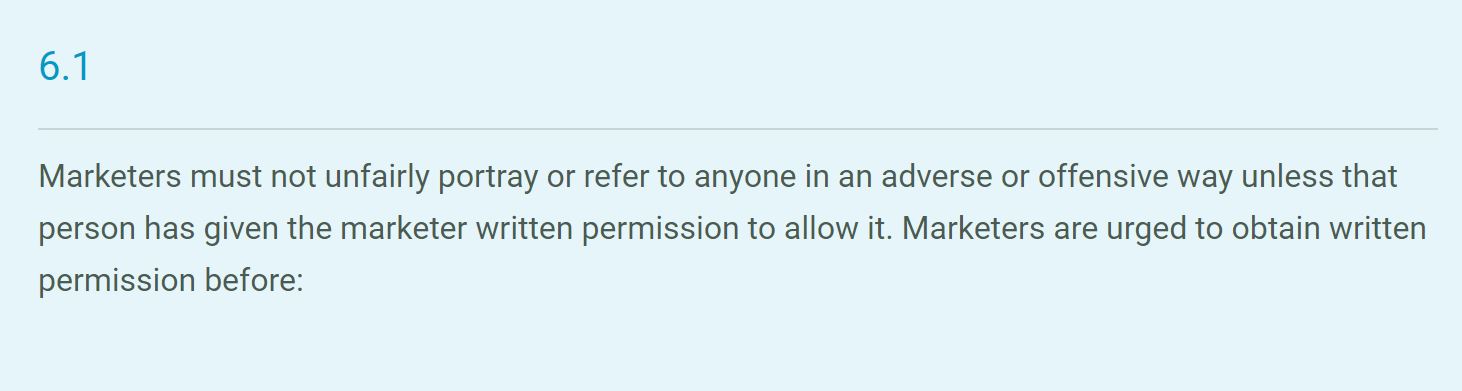
These two are examples that Valentino must follow for this campaign specifically. 3.1 is more general - you must not mislead the people buying your clothing or other items. 6.1 seemed more relevant to this campaign in particular because of their use of the public in one of their Youtube videos advertising the line:
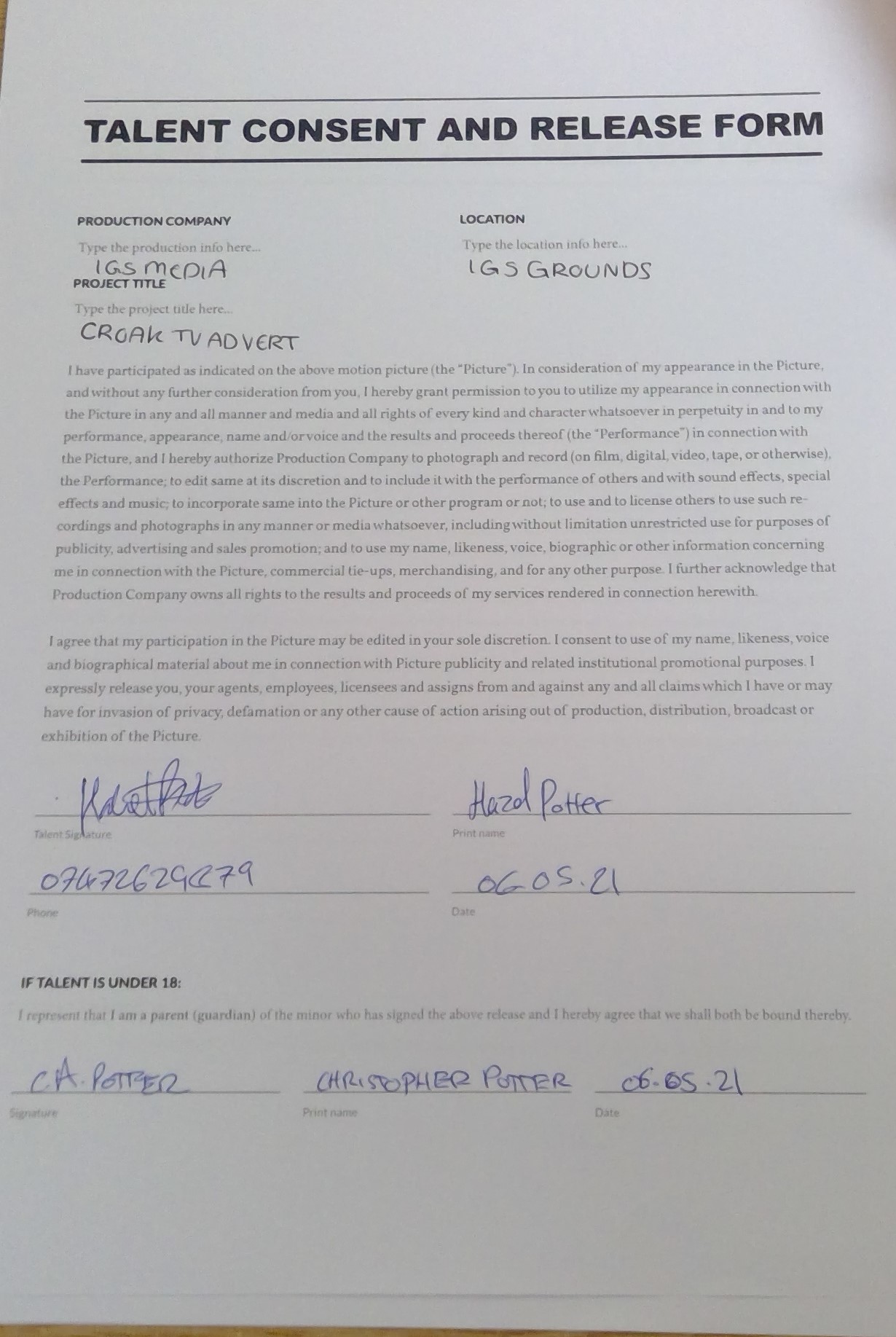
Of course, these people are all friends of creative director Piccioli. They would still need to ensure everyone was happy to appear in the video in order to use their faces in the advertisement.
2017 KENDALL JENNER PEPSI AD - SHE CAN JUST STOP POLICE BRUTALITY - TRIVIALISES URGENCY AND MINIMISES THE ISSUE
CELEBRITY ENDORSEMENT
BLACK OPIUM - YVES ST. LAURENT
Endorsed by Zoe Kravitz
WHY WERE THEY CHOSEN?ZOE KRAVITZ WAS CHOSEN FIRST BECAUSE SHE'S A MODEL - SHE'S THE TYPE OF CELEBRITY USUALLY USED TO ADVERTISE PERFUME. MEMBERS OF GENERATION Z AS WELL AS MILLENNIALS WILL RECOGNISE HER - I RECOGNISE HER AS AN ACTRESS AND MODEL (AS WELL AS BEING THE DAUGHTER OF LENNY KRAVITZ). I BELIEVE THE PSYCHOGRAPHIC CATEGORY THE TARGET AUDIENCE FITS INTO IS ASPIRERS, AND SOCIAL GRADE B.
WHAT WAS THE AIM OF THE ADVERTISEMENT?TO SELL A PERFUME TO YOUNG ADULT/ADULT WOMEN. IT DEPICTS A DARK AND INTRIGUING NIGHT LIFE.
WAS IT EFFECTIVE IN ITS USE OF THE CELEBRITY?YES - SHE'S EYECATCHING AND FITS THE TONE OF THE ADVERT/THE TARGET AUDIENCE
INFLUENCER MARKETING
SHOCK ADVERTISING
BENETTON - AQUARIUS CAMPAIGN, UNHATE - VATICAN SUING YOU
PEACE, COMING TOGETHER DESPITE DIFFERENCES - PROMOTE LOVE OVER HATE
ROAD SAFETY PSA - THE BOY WHO DIDN'T STOP, LOOK AND LISTEN
The brief for this project was to write a screenplay for a short dramatised sequence to garner interest from the chosen target audience - 15-21 year olds. We didn't need to angle it to please TV executives and commissioners, as it was already commissioned. This also means that we've been tasked with writing a spec script, which uses technical details like camera angles, shot types and sound. It had to be 10-15 minutes (in script terms, pages) long. We picked a scene from the show we pitched in Unit 21.
The idea for a show I've created is an oddball mystery drama, such as Dirk Gently's Holistic Detective Agency and Agatha Raisin. It's inspired by shows that interest me personally because they blend dark themes with comedy and silliness.
GENRE
As previously stated, I wanted my idea to reflect oddball mystery series I've seen. The genre is an interesting one, seemingly based on the subversion of the conventions of other genres. It's meant to shock and entertain you, make you laugh with one breath and then cry along with the characters in the next.
I want to strike that balance in Croak, wherein viewers care for the characters and laugh with them at the odd things going on. It brings in elements of mystery and comedy dramas to create something silly, but enticing and puzzling.
I think my script reflects the mystery elements of the story more than the comedy angle, but I was sure never to take myself too seriously when writing it. The subject matter could be dark, but Croak's tone is consciously light. The juxtaposition is supposed to be a bit jarring and weird.
TARGET AUDIENCE
Our brief was to target 15-21 year olds, the intended audience of BBC3. To cover BBC3's target audience, you'd be hard-pressed not to mention the audience pleasures it tends to cover (and therefore whether I've followed or broken them as a convention). We have:
ESCAPISM/DIVERSION
WATCHING SOMETHING IN ORDER TO ESCAPE FROM REALITY, FOR GRATIFICATION OR A DISTRACTION.
SURVEILLANCE
A WINDOW INTO THE LIVES OF OTHERS, OR THE WIDER WORLD. VIEWERS LEARN FROM CONSUMING MEDIA THIS WAY.
PERSONAL IDENTITY
VIEWERS MAY RELATE TO THE CHARACTERS OR SITUATIONS DEPICTED IN THE MEDIA.
PERSONAL RELATIONSHIPS
VIEWERS MAY:
USE THE MEDIA AS A TALKING POINT WITH OTHERS IN THEIR LIVES.
FORM A BOND WITH THE CHARACTERS DEPICTED IN THE MEDIA.
These are the things we find in the media we consume. I was aiming to fulfil the audience pleasures of escapism, personal relationships with characters and personal identity. I've always found comfort in fiction and the ideas I have conform to the desire to share that feeling.
Something I find relevant to both the genre of my drama and the viewing habits of my target audience is the idea of comfort, which is slightly strange in a mystery series. I simply mean that certain series, like for instance Agatha Raisin, Miss Marple, Murder She Wrote and Poirot are all examples of murder mysteries wherein the cast of characters you become attached to are likely to be safe as they solve crimes. Viewers aren't on their toes waiting for their favourite characters to die because the shows focus more on telling compelling mystery stories to engage brains but not shock and dismay. I believe many people enjoy this kind of low-stakes mystery story, however complex and impossible the crime may seem, because it really appeals to the audience pleasures of both escapism and, most importantly, personal relationships with the characters. No matter how many times you awe your audience with a character death or a twist, there's always going to be something comfortable and reliable in stories with such a predictable outcome.
CHARACTERS
ARCS
I wanted to show improvement in Fen's character throughout the show to reflect the morals of opening up to people. She would start as someone closed-off and difficult to talk to and change to allow friendships to blossom. In this, I'm conscious of human nature and - despite my show's silly and supernatural elements - I would like the characters to reflect reality even if they're exaggerated. Fen will never become a social butterfly, and that's perfectly in line with who she is. She doesn't become a new person, she just ends up molded by those around her.
Lotus, whilst being an antagonist, is never portrayed as evil. Despite the show's theme of murder, I wanted to keep the line between good and evil blurred. This reflects the time we're living in and the shows we see popping up constantly - something like Line of Duty, which has greatly influenced the public's expectations for characters and people tend to expect a greater degree of nuance from the media they consume. This influenced later decisions about Lotus, such as her involvement with the case and the reasoning behind her actions. I'm very interested in morally grey characters, certainly with a concept that doesn't take itself that seriously like Croak.
I wanted the dynamics between characters to shine throughout the series, finding that I tend to enjoy a fun group of characters more than I do other elements of a story. A good cast can even carry a dull story, creating attachments to the characters that make viewers care about what happens to them and laugh along with them.
STORY
I wrote the story loosely following Todorov's narratology (steps listed below).
EQUILIBRIUMFen is looking for a new story but stuck with the regular ones, like coverage of pet contests and the missing items column in the university paper.
DISRUPTIONThere is a death in Ngaio.
RECOGNITIONFen is on the case and immediately becomes obsessed not only with covering it for the paper, but solving it single-handedly.
ATTEMPT TO REPAIRFen chases clues and spirals deeper into conspiracy, she figures out her family secret about being witch hunters.
NEW EQUILIBRIUMFen has friends she can talk to and the town has settled again, the case having been solved.
One notable convention of the mystery series genre I've broken is that Croak's mystery is non-episodic. The same mystery takes place over the course of the series, which goes against the formula set up by pioneering mystery stories set in sequence (like Conan Doyle's Sherlock Holmes). This was a conscious decision made to set up the world and story before perhaps diving into an episodic mystery format in later seasons. I think that something more involved would be more popular nowadays.
My original synopsis for Croak was as follows:
"A die-hard journalism student, determined to write a big story and get into the business, latches onto every small thing life throws at her. Fortunately, this small thing in particular grows and grows - until she realises she might just be in over her head. What else to do from there but dive right in, headfirst?
We follow our protagonist, Fen Marsh, as she uncovers and unravels a mystery way larger than herself - it's something that eventually forces her to spend time with others and get to know them. It has themes of opening up, as opposed to keeping your thoughts and feelings to yourself. Her interaction with her brother at the start of the series is conveyed purely through texts and calls, in contrast with the end of the series wherein she'll be talking to others freely and making time for them."
I think I've honoured the concept whilst adding mystery to the story for further public appeal. The difficult part was finding a middle ground between my vision and something appealing to the widest audience possible.
chosen extract
The part from my story I chose to write was a scene from the 'attempt to repair' stage, where Fen is following someone she believes to be the killer into the tunnels under the town. This has plenty of potential to be tense and, importantly, end on a cliffhanger.
I think that this has the potential to gain the most traction - it has action and a clear story arc within its episode. The entire show I chose to set at a time when the campus will be mostly empty, to save money on extras.
At this point in the story, Fen is still on the left side of her character arc. She's in equilibrium approaching disruption as she gets sick and realises she needs help from those around her. Again, I think this will resonate with a lot of people even if they don't notice it happening - it'd difficult to communicate your feelings sometimes and Fen is an extreme manifestation of the desire to get things done yourself. The message of finding strength in other people is a universal one, something that BBC3 would be able to promote as educational without it feeling too forced.
IN THE END
I think that the script I wrote fulfilled the BBC3 guidelines given whilst conforming to my genres of mystery and, to a lesser extent, comedy. The dialogue is natural whilst giving us an insight into how Fen thinks, and how selfish she can be without thinking.
I've chosen a time in the story when the character still has some growing to do, and a time when there's an active mystery to solve. I think it's interesting enough to draw in viewers whilst conveying character.